About Alex
I'm not an engineer. I built real software anyway.

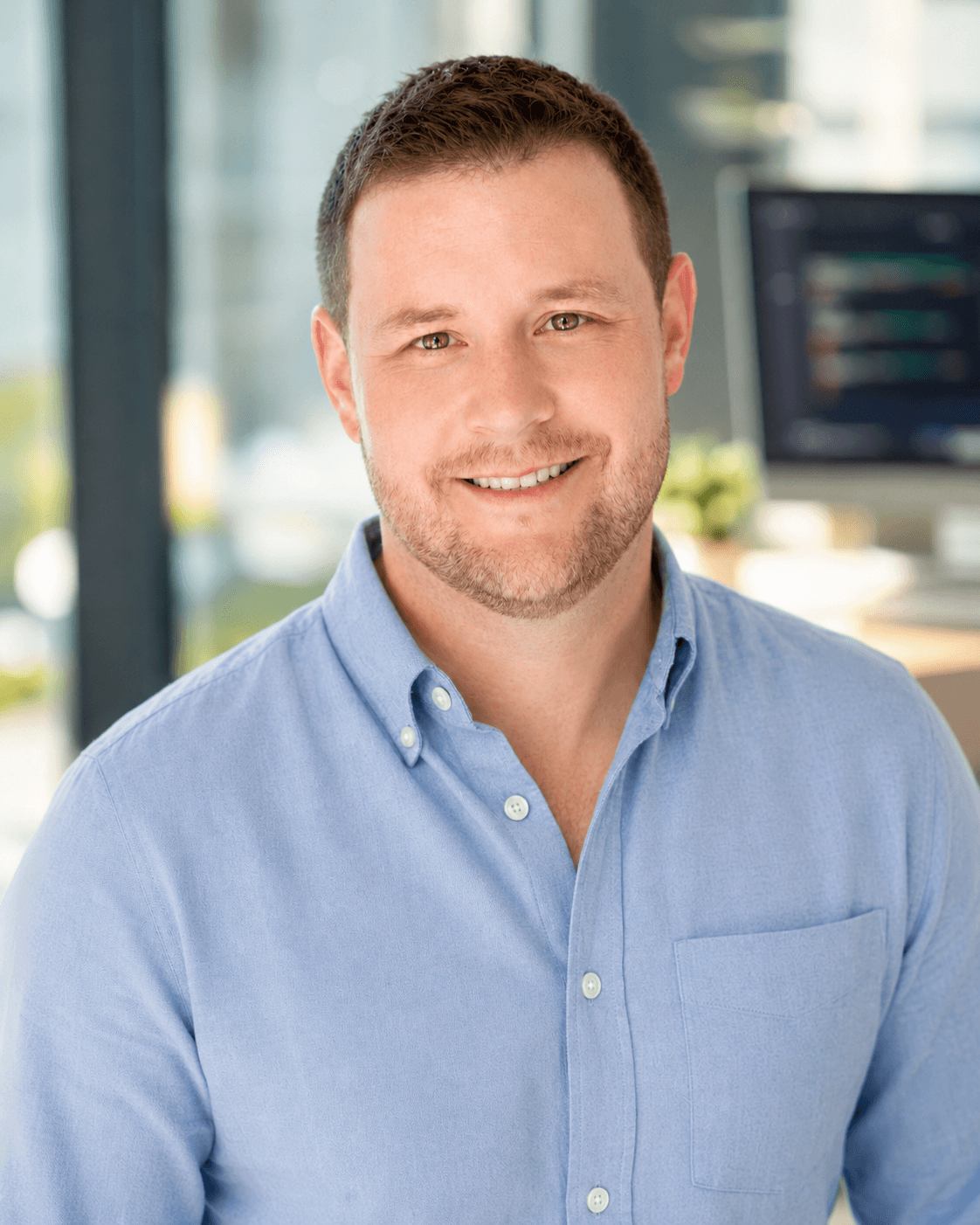
I'm Alex Brockway. A couple of years ago I was probably where you are right now: I had software that needed to exist, and no good way to build it.
I'm not a developer. I'm a lawyer by trade — corporate, in-house. Before that I ran businesses — a couple of restaurants, a few other things. I've always been a builder. Just not the kind who writes code.
Then AI changed what "not a developer" means. And I learned, the hard way, exactly where it helps and exactly where it falls apart.
First, I did it the slow, expensive way.
The project was a real SaaS product — Scale B.O.S.S. We started the way everyone says to: wrote the specs, hired a developer overseas, and waited. For about a year.
It was slow. It was expensive. And every time the thing in my head met the thing on the screen, something got lost in translation. I could see the product clearly. The development loop just couldn't keep up.
Then I found AI. It felt like magic — for about a week.
The first time I fed an idea into an AI builder and watched software appear on the screen, it genuinely felt like the future. A non-technical guy, finally making the machine do what he wanted.
Then I kept going. And the faster I built, the faster it broke. Fix one thing, break three. I was playing whack-a-mole with a product I didn't understand, made of decisions I couldn't see. We launched. It mostly didn't work. We sold nothing.
I'll be honest: we were naive. We didn't have a development system. We had generated code and hope.
The fix wasn't a better prompt. It was a method.
So I stopped building features and started studying. Weeks of it. One question: what actually separates AI that ships real software from AI that ships slop?
It came down to this — the AI is only as good as the person driving it. It needs context, rules, documentation, verification, and feedback loops. A real method around it. I built that method. Then I rebuilt Scale B.O.S.S. on top of it.
This time it held. Scale B.O.S.S. is live now — real software, in production, with real customers. Same non-technical guy. Completely different result. The only thing that changed was the method.

I built AI Code that Works so you don't have to fail three times first.
I failed three times getting to a method that works. You shouldn't have to.
That's the whole reason this exists. AI Code that Works teaches the method I had to learn the hard way — to capable, non-technical people who have something real to build and want it to actually work.
Here's what I won't do: I won't sell you the fantasy. This isn't a magic button. It takes a method, and it takes your effort. But it is real, and it works — and I can prove it, because I built the proof before I taught the method.
I'm not here for whiz-bang. I'm here because a lot of people are exactly where I was, and they don't have to stay there.
Don't take my word for it.
Everything I teach traces back to real, shipped software:
Scale B.O.S.S. — a live business operating system for small and mid-sized companies. Real users, in production. Built with the exact method I teach.
RevAStack — the Brand Engine — real software I'm building with this exact method, in public. The wins and the misses, shown, not claimed.
Learn from proof, not hype.
Frequently asked
- Who is Alex Brockway?
- The founder of AI Code that Works — a non-technical builder (a corporate lawyer by trade) who built the production SaaS Scale B.O.S.S. with AI, then taught the method behind it.
- Is Alex a software engineer?
- No. That's the point — he built real, live software without being a developer, by putting a method around the AI.
- What did Alex build with the method?
- Scale B.O.S.S. (a live business operating system with real customers) and RevAStack — the Brand Engine, built in public with the same method.
If this sounds like where you are — start here.
If any of this story felt familiar, you're who I built this for. Start where I should have: with a method.
Prefer to learn alongside others first? Join the free Foundations course.